
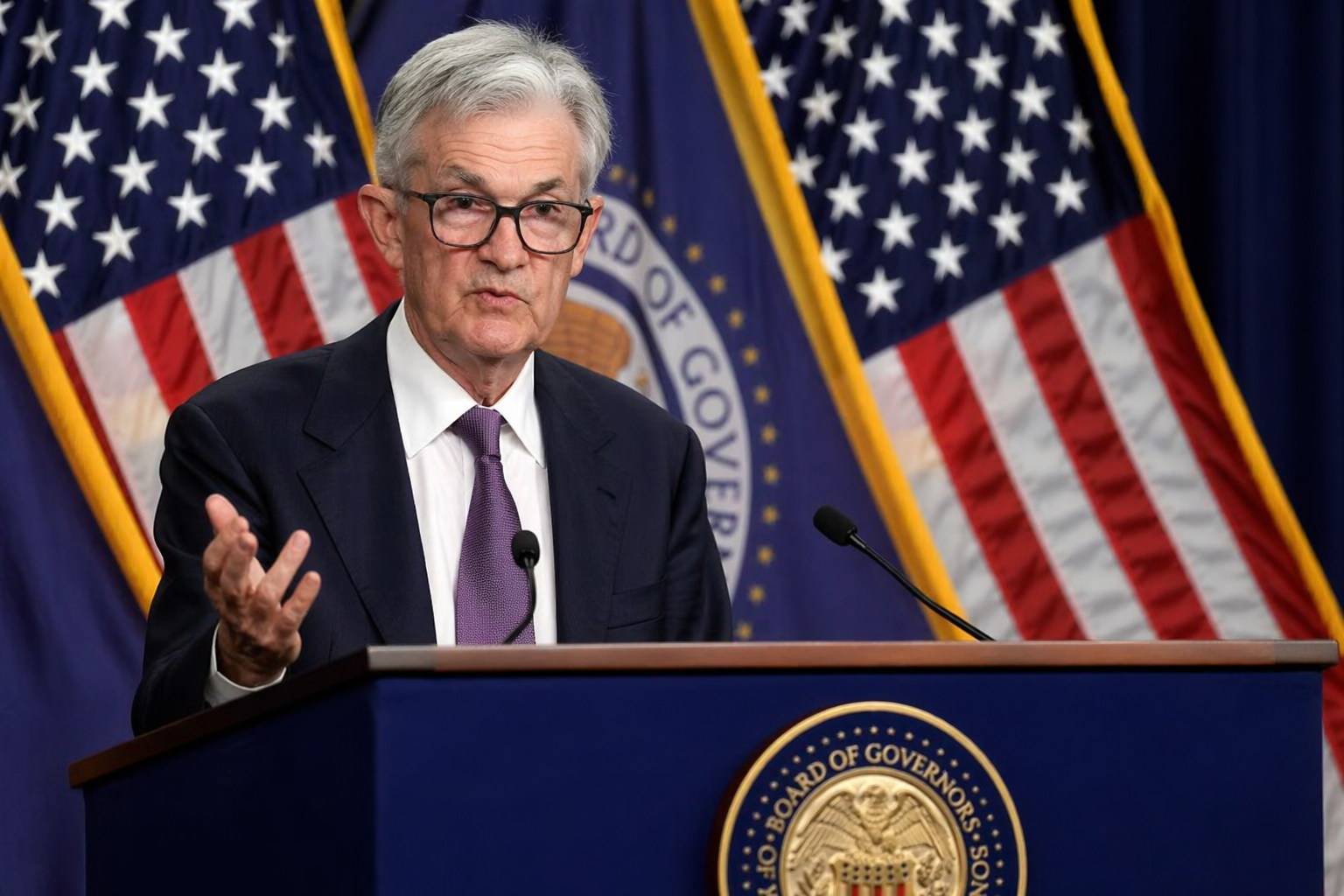
In a surprising move that reshuffled the dynamics within U.S. monetary policy circles, the U.S. Department of Justice has decided to close its investigation involving Jerome Powell, the Chair of the Federal Reserve System. This decision gives Powell a significant boost at a time when speculation about the future leadership of the central bank is intensifying.
While the decision is legal in nature, it carries clear political and economic implications. It reinforces Powell’s position—at least temporarily—and reduces the pressure from those pushing for a leadership shift. This comes as the United States faces complex challenges related to inflation, interest rates, and overall market stability.
Meanwhile, Kevin Warsh remains a prominent name within policy circles as a potential successor, particularly amid growing calls for a shift in monetary policy direction—possibly toward a more hawkish stance or a recalibration of intervention tools.
Global markets are closely monitoring these developments. Any change in Federal Reserve leadership is not merely administrative—it can significantly influence the trajectory of interest rates, the U.S. dollar, gold prices, and capital flows worldwide.
The situation remains unresolved, but it is undeniably heating up. The battle for control of the Federal Reserve has entered a more critical phase—one that could reshape the direction of global markets, not just leadership titles.