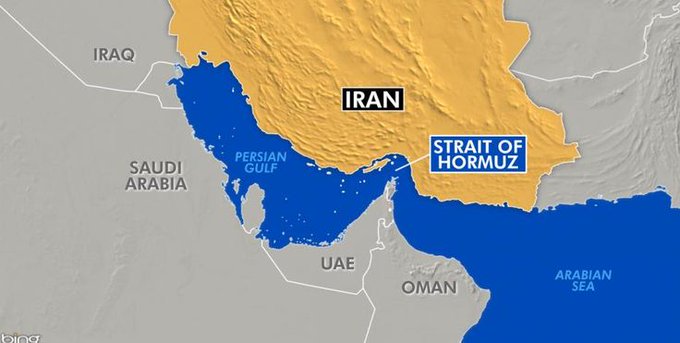
The Strait of Hormuz has witnessed rapid escalation over the past 24 hours, reigniting uncertainty in one of the world’s most critical energy transit routes.
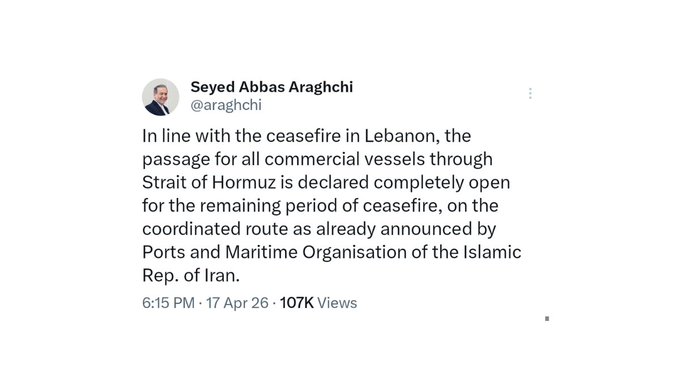
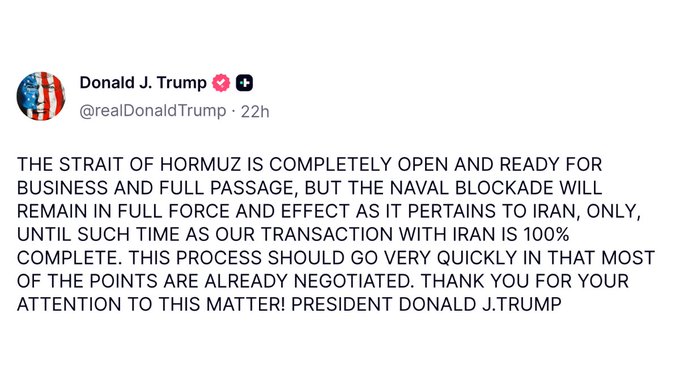
After previously announcing the full reopening of the passage—a move echoed by Donald Trump—Iran has reversed course, declaring the strait closed again under heightened military control, signaling a sharp deterioration in de-escalation efforts.
The shift follows United States refusal to lift its naval blockade on Iranian ports, a decision Tehran described as evidence of Washington’s lack of credibility in negotiations.
On the ground, reports indicate that Iranian Revolutionary Guard boats fired on an oil tanker without prior warning, forcing a large Indian-flagged vessel to retreat, underscoring rising security risks in the corridor.
Iran has also rejected entering a new round of peace talks, while the U.S. naval blockade remains in effect, with 21 vessels reportedly turned away from Iranian ports since Monday.
Additionally, Tehran reaffirmed that it will not hand over enriched uranium, further complicating any diplomatic progress as the ceasefire is set to expire on Wednesday.
Trump warned that failure to reach an agreement could result in a “resumption of bombing,” raising the risk of broader military escalation.
These developments come as global markets remain closed over the weekend, increasing the likelihood of sharp volatility when trading resumes, particularly across energy markets and high-risk assets.