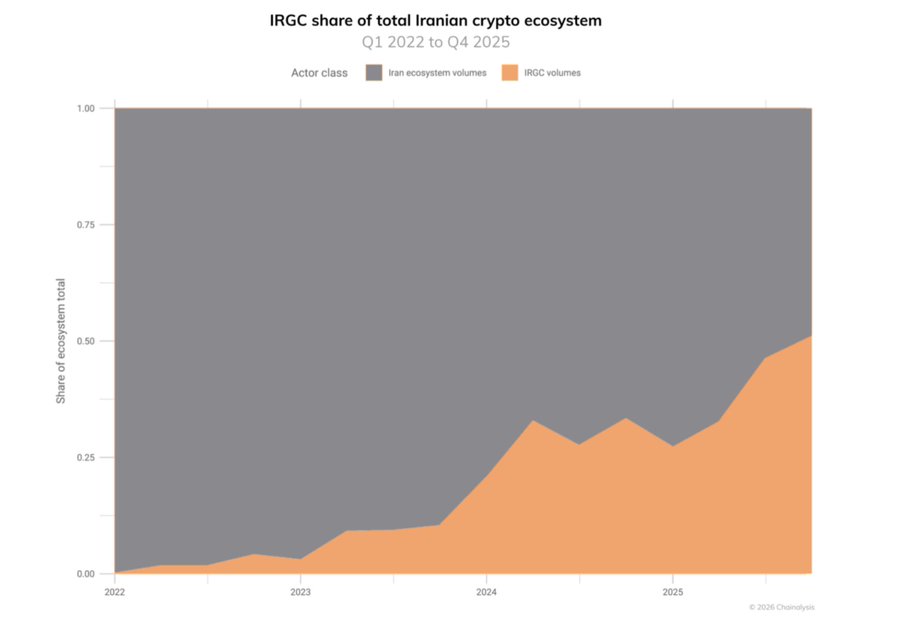
Recent reports indicate that Iran is considering charging transit fees on oil tankers passing through the Strait of Hormuz using digital assets, including Bitcoin, in a move reflecting the growing role of crypto in international trade.
According to available data, fees could reach around $1 per barrel, with payments potentially made in cryptocurrencies or the Chinese yuan, as part of efforts to bypass traditional financial restrictions.
However, analytics suggest that stablecoins, such as USDT, remain the most widely used medium for these transactions due to their price stability compared to Bitcoin’s volatility.
Stablecoins also provide more predictable revenue streams, making them better suited for large-scale financial flows tied to global oil trade.
Analysts believe this development highlights increasing state-level adoption of digital assets, while also confirming that Bitcoin remains less practical than stablecoins for large-scale commercial transactions