
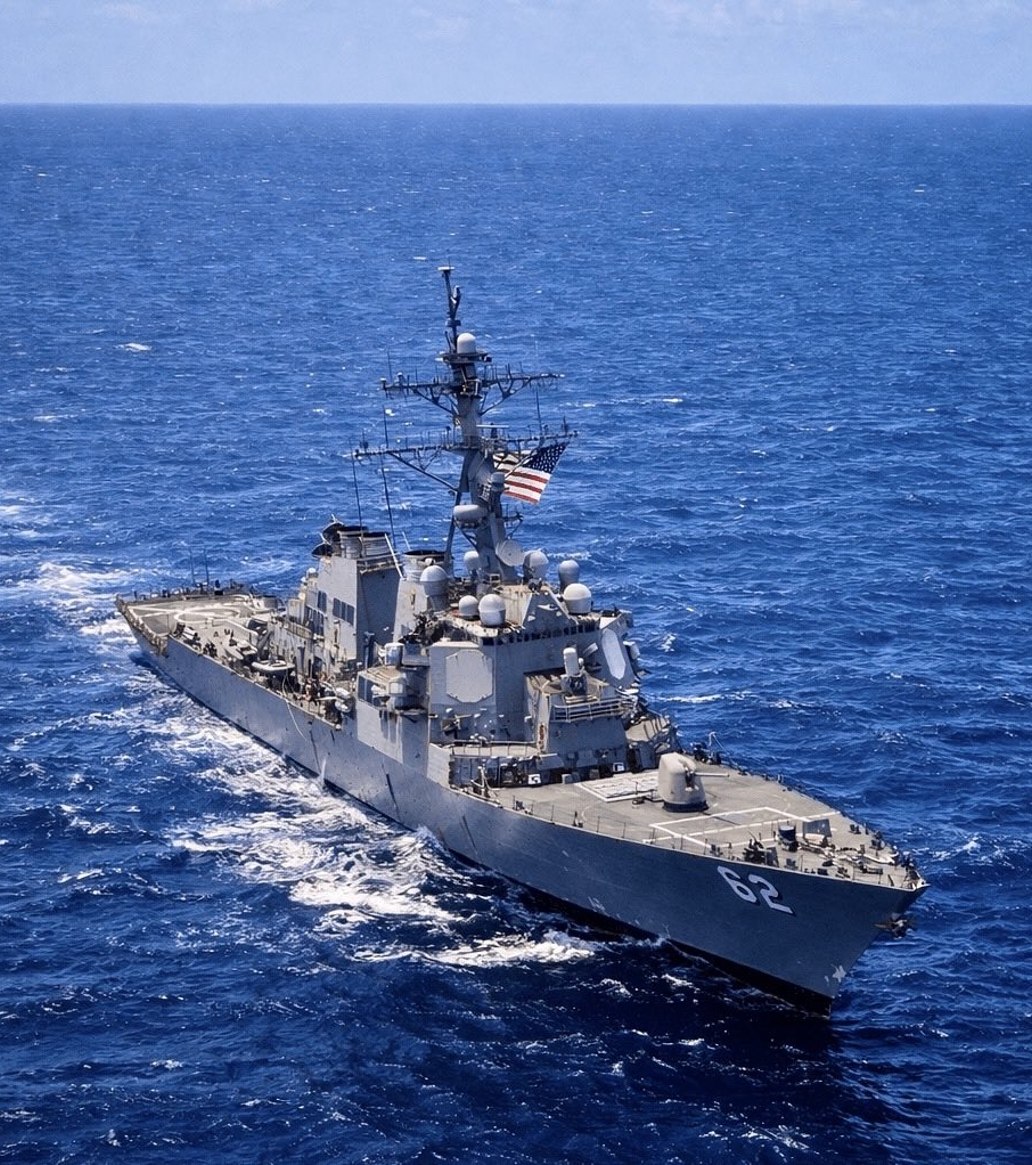
The United States has intensified its naval activity around the Strait of Hormuz, signaling a potential shift toward tighter control of maritime traffic in one of the world’s most critical energy corridors.
Recent developments indicate increased monitoring and strategic positioning of U.S. naval forces in the المنطقة, raising concerns over possible restrictions on vessels entering or exiting the strait. The move follows the collapse of diplomatic talks with Iran and a sharp escalation in regional tensions.
The Strait of Hormuz is a vital chokepoint for global energy markets, with a significant share of the world’s oil and liquefied natural gas shipments passing through it daily. Any disruption to navigation could have immediate and far-reaching impacts on global supply chains and commodity prices.
While there has been no official confirmation of a full naval blockade, analysts note that enhanced military presence and operational readiness could allow the U.S. to exert substantial control over maritime flows if required.
The situation remains highly fluid, with markets closely monitoring developments as geopolitical risks continue to rise in the region.